Sole F63 vs F80: two inches of belt is the whole argument
Buy the F63 if you walk, or if you run and you're under 6 ft and about 250 lb; it saves about $500. Buy the F80 if you're taller or heavier, because its belt is 22 inches wide instead of 20.
We may earn a commission from links. It never changes our picks. How we make money
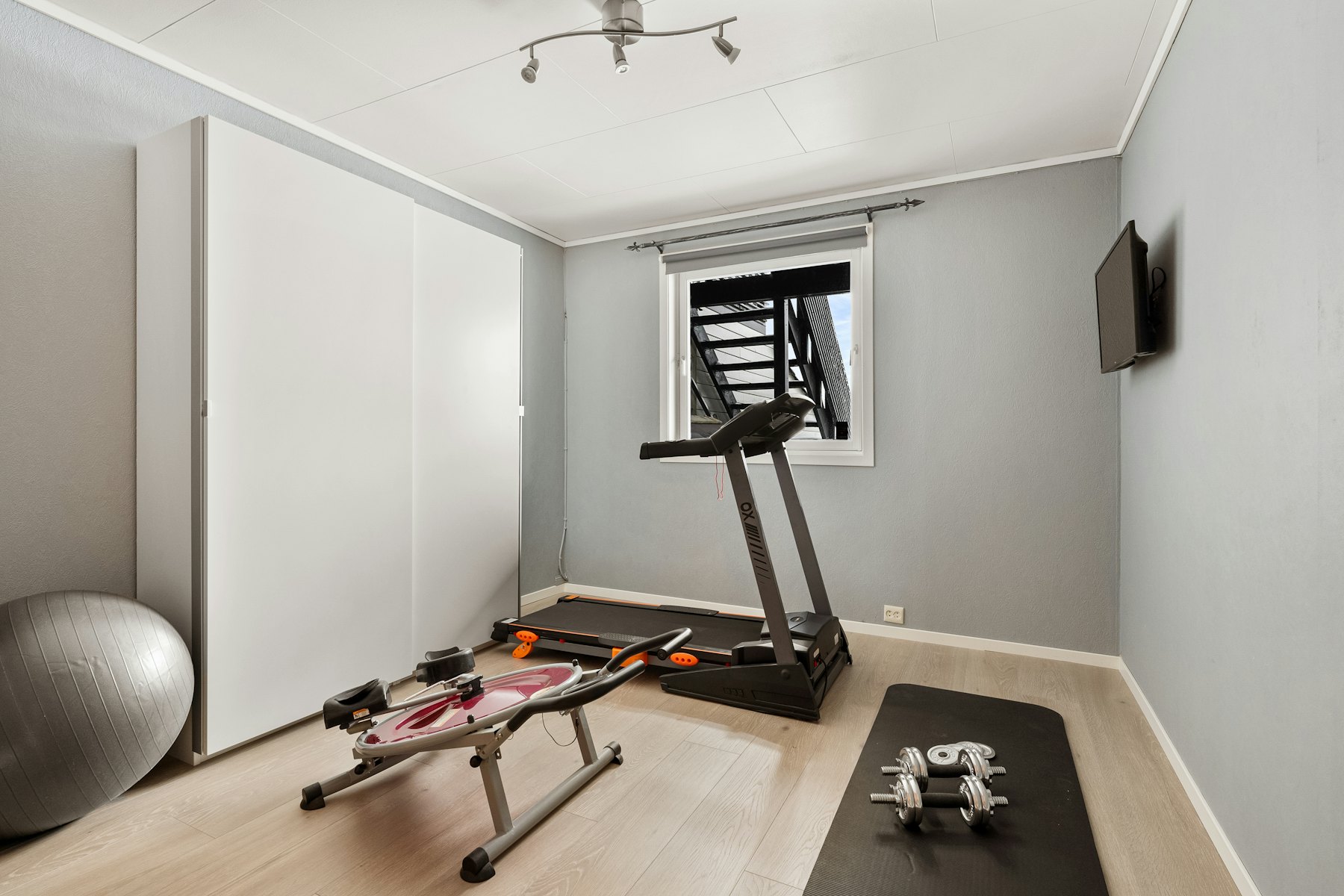
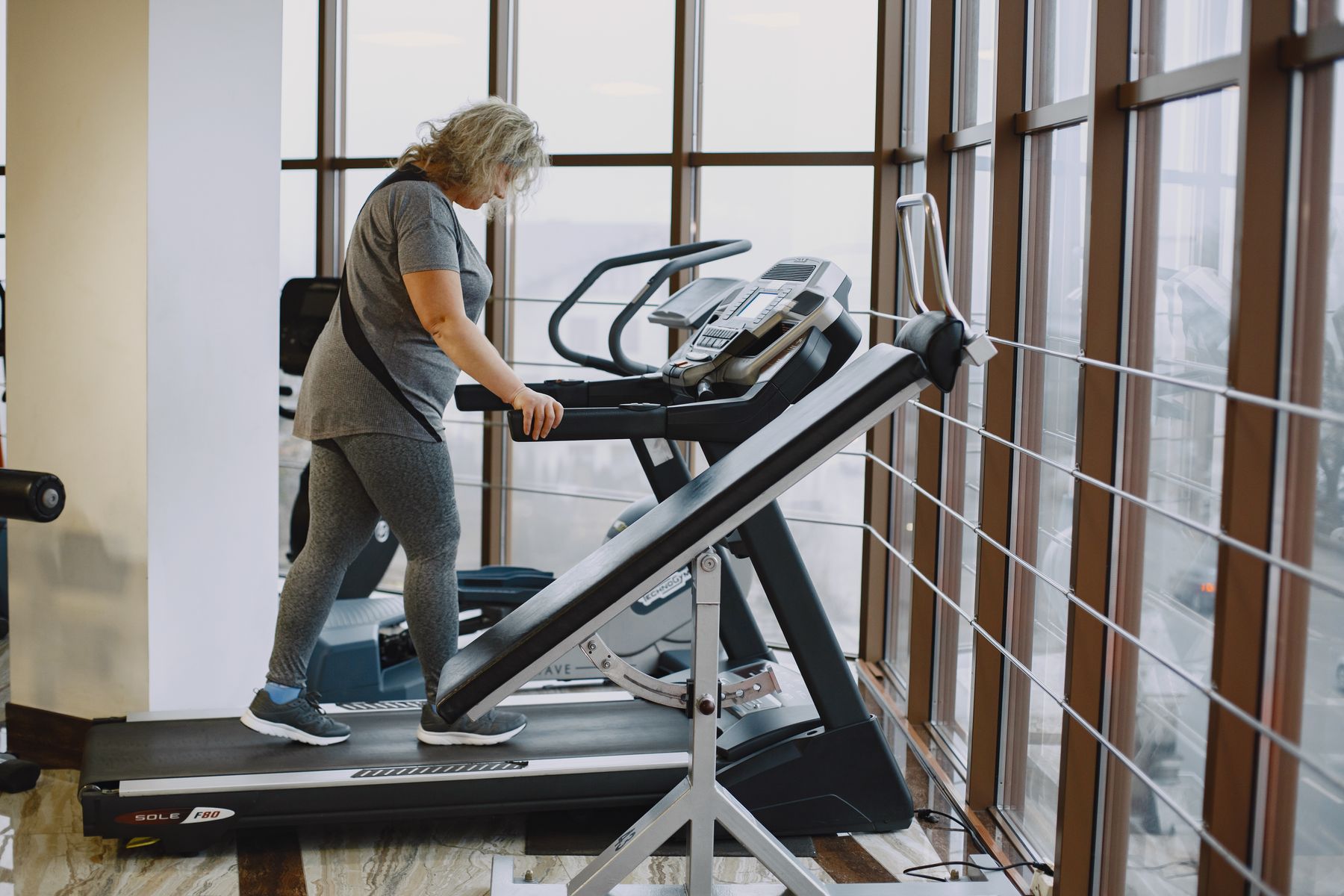
Quick verdict
The F80's belt is 22 inches wide against the F63's 20. For a walker or a runner under 6 ft who lands cleanly, 20 inches is plenty and the F63 saves about $500; for a tall runner or anyone over 250 lb, the extra width is worth paying for.
Sole F63
Best for: walkers, and runners under 6 ft on a budget
A 20 x 60 in belt, a 3.0 HP motor and a lifetime frame and motor warranty for a typical $1,099 to $1,399.
Sole F80
Best for: runners over 6 ft, or a household with a heavy runner
A 22 x 60 in belt, a 3.5 HP motor and a 350 lb rating. The extra width is what you feel at 8 mph and up.
Sole F80
Best for: anyone who wants a built-in screen without a subscription
A 10.1 in touchscreen instead of the F63's 6.5 in LCD and tablet shelf. Neither one needs a membership.
We may earn a commission if you buy through these links. How we make money
Side by side
Swipe sideways to see every column
| Spec | Sole F63 | Sole F80 |
|---|---|---|
| Our rating | 4.2 / 5 | 4.5 / 5 |
| Typical price | $1,099 to $1,399 | $1,599 to $1,899 |
| Motor | 3.0 HP DC | 3.5 HP DC |
| Belt / stride | 20 x 60 in | 22 x 60 in |
| Top speed | 12 mph | 12 mph |
| Incline | 15% | 15% |
| Weight limit | 325 lb | 350 lb |
| Footprint | 77 × 35 × 67 in | 82 × 37 × 66 in |
| Folds | Yes | Yes |
| Console | 6.5 in LCD with tablet shelf | 10.1 in touchscreen |
| Warranty | Lifetime frame and motor, 3 yr deck/electronics, 1 yr labor | Lifetime frame and motor, 3 yr deck/electronics/parts, 1 yr labor |
Manufacturer specs unless a review says we measured it.
Buy the Sole F63 if you walk, or if you run and you’re under 6 ft and under about 250 lb. Buy the Sole F80 if you’re taller or heavier than that, or you’re sharing the machine with someone who is. The reason is the belt. The F63’s is 20 x 60 in and the F80’s is 22 x 60 in. Both are 60 inches long, which lets a running stride land without shortening it, and the two inches of width are what you feel when your foot drifts at 9 mph or your stance widens on an incline. At typical prices of $1,099 to $1,399 for the F63 and $1,599 to $1,899 for the F80, that width costs about $500.
Everything else is close: the same 15% incline, the same 12 mph top speed, the same fold and the same lifetime frame and motor warranty. We haven’t bench-tested either one yet, so this comparison runs on the published specs; we’ll add measured noise and power after our bench test.
Belt width decides it
Length matters less than people think here, because both decks are 60 inches. A 6 ft 2 in runner with a long stride has the same room on either. Width is the difference. A 20-inch belt is standard on a mid-priced treadmill and fine for most adults walking and running straight. We want 22 inches for anyone over 6 ft who runs, anyone over 250 lb, and anyone doing hill work at 12% and up, where the stance opens. That extra inch on each side is also where tired form goes late in a run.
If you’re under 6 ft and run cleanly, we don’t think you’ll miss it. If you’re over 6 ft, or the person you’re buying for is, we wouldn’t buy a 20-inch belt for running when a 22-inch one is $500 away.
Motor and weight rating
The F63 has a 3.0 HP DC motor and a 325 lb rating. The F80 has a 3.5 HP DC motor and a 350 lb rating. We like 50 lb of headroom above the heaviest runner, which puts the practical running limit around 275 lb on the F63 and 300 lb on the F80. For walkers, both have plenty of margin.
Both motors carry Sole’s lifetime warranty, which is unusual at the F63’s price and a big reason it keeps showing up on our budget treadmills page. The F80’s 3.5 HP has more headroom for daily running, but the 3.0 HP unit isn’t a weak spot. Above a walk, most of the noise on either one comes from your foot strike rather than the motor.
Console: LCD and a shelf vs a touchscreen
The F63 has a 6.5 in LCD with a tablet shelf. The F80 has a 10.1 in touchscreen. Neither needs a subscription for anything, which counts for a lot next to the brands that do. The F63’s console shows speed, incline, time and the built-in programs, and the shelf holds your own tablet at eye level. The F80’s screen does the same job with more pixels and a slower response than that tablet.
We lean toward the F63’s approach. The F80’s screen isn’t bad, but a plain console has fewer things to fail and never goes out of date. If a touchscreen is the point for you, the F80 is the cheapest Sole treadmill that has one.
Footprint and fold
The F63 is 77 x 35 x 67 in open and 45 x 35 x 70 in folded, and it weighs 253 lb. The F80 is 82 x 37 x 66 in open and 44 x 37 x 72 in folded, and it weighs 278 lb. Open, the F63 is five inches shorter, which can decide it in a small spare room, and it’s 25 lb lighter to get up the stairs. Folded, they take about the same floor. Both are on our folding treadmills list.
Warranty and price
The warranties are nearly identical: lifetime frame and motor on both, 3 years on deck and electronics, 1 year of labor. The F80’s published wording adds parts to its 3-year term, but in practice the gap is small. It’s a rare case where buying the cheaper machine costs you nothing in coverage.
Sole’s prices move, so check the retailer. If you’re shopping at F63 money, the Horizon 7.0 AT at $999 to $1,399 is the other one to look at, with a 20 x 60 in belt, a 3.0 CHP motor and dials that change speed faster than Sole’s buttons. At F80 money, the Horizon 7.4 AT has a 22-inch belt and a 350 lb rating with an LED console. Sole’s in-between model, the Sole F65, pairs a 22-inch belt with a 3.25 HP motor and a 7.5 in LCD for a typical $1,299 to $1,599, and we haven’t tested it yet.
Which one we’d buy
For most people who ask us, the F63. A walker who might start running, a couple who are both under 6 ft, or anyone with a $1,400 cap gets the same frame family, incline, top speed and lifetime motor cover, and keeps $500. We’d buy the F80 as soon as a runner over 6 ft or over 250 lb was in the picture, because the two inches of belt and the extra rating are exactly what that runner needs. If you’re weighing the F80 against the next step up, our Sole F80 vs F85 comparison puts the line at 250 lb and 20 miles a week, and the Sole brand page explains the whole F-series.
Frequently asked questions
What is the difference between the Sole F63 and F80?
Two inches of belt width, half a horsepower, 25 lb of weight rating and a touchscreen instead of an LCD. The F63 has a 20 x 60 in belt, a 3.0 HP motor and a 325 lb rating. The F80 has a 22 x 60 in belt, a 3.5 HP motor and a 350 lb rating. Incline, top speed, the fold and the lifetime frame and motor warranty are the same.
Can you run on the Sole F63?
Yes. A 60-inch belt, a 3.0 HP motor and a 15% incline are a running spec, and the frame comes from the same family as the F80's. Where the F63 gives ground is width: a 20-inch belt leaves less room for a wide stride at 9 mph and up. Under 6 ft and under 250 lb, most runners won't miss the two inches.
Is the Sole F63 worth it over a Horizon T101?
For a runner, yes. The T101 is a walking treadmill with a 55-inch belt, a 10% incline and a 10 mph top speed. The F63 gives you a 60-inch belt, a 15% incline, 12 mph and a 325 lb rating for a few hundred dollars more. For a walker who will never jog, the T101 is the better buy.
Does the Sole F63 have a touchscreen?
No. It has a 6.5 in LCD with a tablet shelf, which suits anyone who already owns a tablet. The F80 has a 10.1 in touchscreen. Neither console needs a subscription, and we think the F63's plain console is the more sensible of the two, since there's less to break and nothing to go out of date.
Which Sole treadmill folds smaller?
They're close. The F63 folds to 45 x 35 x 70 in and weighs 253 lb; the F80 folds to 44 x 37 x 72 in and weighs 278 lb. Open, the F63 is 77 in long against the F80's 82 in, so it fits a slightly shorter room and is a little easier to get up the stairs.
Update history (2)ShowHide
- November 5, 2026Rewritten for clarity, with a quick verdict and key takeaways up top.
- October 18, 2026First published.