Horizon 7.0 AT treadmill review: the interval machine under $1,500
The Horizon 7.0 AT is the treadmill we'd buy for interval training under $1,500, because its roller dials change speed and incline faster than any button console. Runners over about 220 lb should look at the 7.4 AT instead.
We may earn a commission from links. It never changes our picks. How we make money
 76 × 36 in open
Horizon 7.0 AT Treadmill
Our take: The QuickDial controls change speed faster than a row of buttons, and the 3.0 CHP motor has room to hold 10 mph.
Usually $999 to $1,399 (list $1,399). Prices change often, so the retailer has today's.
Pros
- QuickDial speed and incline rollers
- 15% incline covers 12-3-30
- Lifetime frame and motor warranty
- Softer deck than the Sole treadmills
- No subscription, tablet rack included
Cons
- 20-inch belt is narrow for big runners
- No built-in screen
- 277 lb and needs two people to move
- No decline for downhill training
We haven't bench-tested our own Horizon 7.0 AT yet. This review is built from the published specs, the warranty and how the machine is designed. When our measurements are in, they'll appear on this page and the update history at the bottom will say so.
Is the Horizon 7.0 AT worth it?
Yes, if you train by the minute. Every treadmill changes speed; the Horizon 7.0 AT is built to change it fast. Two rollers on the console arms, one for speed and one for incline, take you from an easy 6 mph to a hard 10 in one flick, and the 3.0 CHP motor has the headroom to get the belt there without the lag cheaper machines show.
Around that, Horizon built a sensible treadmill: a 20 x 60 inch belt, 15% incline, a cushioned deck, a 325 lb rating, a hydraulic fold, and an LED console with a tablet rack instead of a screen that bills you monthly. It sells for about what a Sole F63 does, typically $999 to $1,399, and the choice between them comes down to how you run.
We haven’t bench-tested our 7.0 AT yet, so this review is built from Horizon’s specs and how this kind of machine behaves at home.
Running on it
The dials are the point. On a button console, an interval session turns into a thumb war: hold the up key, count the beeps, overshoot, tap down. On the 7.0 AT you roll the dial with your thumb and the number lands where you meant it to. Incline works the same way on the other arm. Horizon has used this design for years because it works.
The 3.0 CHP motor meets our floor for daily running. Asked to go from 6 to 10 mph on a 20-inch belt, it should get there in a few seconds and hold, and that’s one of the first things we’ll time.
The deck is soft. Horizon’s cushioning is noticeably more forgiving than Sole’s, which runners with sore knees will like and runners who want a road feel won’t. The belt is 20 inches wide, which suits runners under about 6 ft and feels close for anyone bigger.
Space, noise and setup
The 7.0 AT weighs about 277 lb, so plan on two people and a hand truck for stairs. The deck arrives built. You bolt on the uprights, lift the console mast and route one cable through the right upright, which is the step to take slowly.
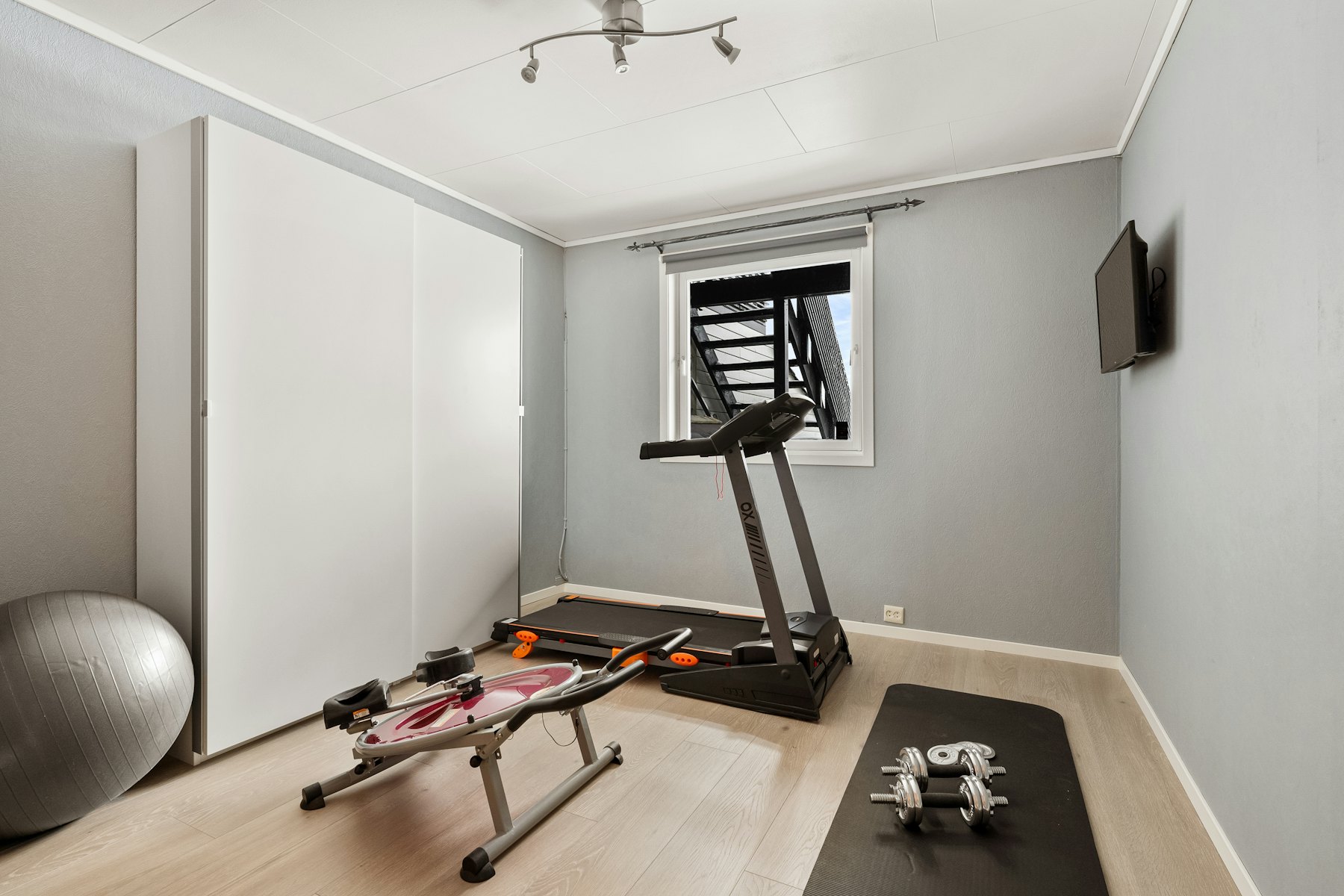
Open, it takes 76 by 36 inches, roughly half the floor of a 12-by-12 room once you leave clearance behind it. Folded, Horizon quotes about 45 inches from the wall, with a damped strut to lower the deck.
On noise, a 3.0 CHP motor under a soft deck is the quieter end of the running-treadmill class, and the softer deck should send a little less foot strike through the floor than a Sole does. Over a bedroom, add a mat anyway.
The console
An LED display that’s big enough to read, with a rack above it that holds a full-size tablet at eye height. Bluetooth sends your speed and incline to Horizon’s app, which runs workouts and connects to some third-party apps. Skip the heart-rate grips and use a chest strap if heart rate matters to you.
It never asks for money, and nothing on it expires when an account lapses. With so many rivals built around subscriptions, that’s worth saying.
Where it falls short
Belt width and weight rating. At 20 inches and 325 lb, it’s a machine for runners under about 220 lb. Above that, the Horizon 7.4 AT is the same idea with a 22-inch belt, a 3.5 CHP motor, a 350 lb rating and five years of parts coverage, for about $500 more. Our Horizon 7.0 AT vs 7.4 AT comparison lays out the differences.
The warranty is lifetime on the frame and motor, three years on parts and one on labor. That’s about what Sole gives the F63, so neither machine wins on coverage.
No decline and no built-in screen. You knew that going in.
Against the NordicTrack T Series 10
The NordicTrack T Series 10 sits at a similar price, $1,199 to $1,499, with a 10-inch touchscreen and 10% incline. If iFIT classes are what will get you on the machine, buy it and the subscription. If you want a treadmill that’s still fully useful in year four with no monthly bill, the 7.0 AT is the better machine: more incline, faster controls and a console that a lapsed account can’t lock up.
What we’ll measure
Once our retail unit is set up in a 12-by-12 spare room, we’ll measure noise at 3, 6, 9 and 12 mph from three feet with a 200 lb runner, the real incline at 15% with a digital level, belt speed against a calibrated wheel, how many seconds the dial takes to get the belt from 6 to 10 mph, watts at the wall and the folded footprint. Then we’ll run a month of intervals on it. How we test explains the method, and our running treadmill picks compare it with the alternatives.

How we rated the Horizon 7.0 AT
- Motor and deck
- 4.4
- 3.0 CHP, 20 x 60 in belt, 325 lb limit
- Incline and features
- 4.3
- 15% incline, 12 mph top speed
- Warranty
- 4.6
- Lifetime frame and motor cover
- Fits a home
- 3.9
- 76 x 36 in open, folds
- Value
- 4.5
- More machine than the price suggests
Our rating is out of 5 and uses the same formula for every machine in a category: motor and deck, features, warranty, how well it fits a home, and value for the typical price. Until we bench test a machine, the score comes from its published specs. How we rate
What we measure
Bench test scheduledWe haven't measured this one yet. When our unit is set up, it gets the same checks as every machine, and the results go here:
- Noise from 3 ft at 3, 6, 9 and 12 mph
- Incline at the top setting, with a digital level
- Watts at the wall, idle, walking and running
- Assembly time for one person
- Folded size, measured with a tape
Floor plan, from the maker's dimensions
Who should buy the Horizon 7.0 AT
Buy it if
- Interval runners who change speed every minute
- Anyone who streams their own apps on a tablet
- Households with two users under 325 lb
Look elsewhere if
- Anyone who wants a built-in screen
- Rooms shorter than 7 ft
Usually $999 to $1,399 (list $1,399). Prices change often, so the retailer has today's.
Horizon 7.0 AT specs
| Specification | Horizon 7.0 AT |
|---|---|
| Motor | 3.0 CHP |
| Belt | 20 x 60 in |
| Speed | 0.5–12 mph |
| Incline | 15% |
| User weight limit | 325 lb |
| Footprint (L × W × H) | 76 × 36 × 59 in |
| Folded | 45 × 36 × 68 in |
| Machine weight | 277 lb |
| Console | LED console, Bluetooth, tablet rack |
| Warranty | Lifetime frame and motor, 3 yr parts, 1 yr labor |
| Status | Current model · 2019–present |
Manufacturer's published specs. We check dimensions with a tape when our unit arrives.
How it compares with its closest rivals
Swipe sideways to see every model
| Horizon 7.0 AT(this review) | Sole F63 | NordicTrack T Series 10 | |
|---|---|---|---|
| Our rating | 4.4 / 5 | 4.2 / 5 | 4.0 / 5 |
| Typical price | $999–1,399 | $1,099–1,399 | $1,199–1,499 |
| Motor | 3.0 CHP | 3.0 HP DC | 3.0 CHP |
| Belt | 20 x 60 in | 20 x 60 in | 20 x 60 in |
| Top speed | 12 mph | 12 mph | 12 mph |
| Incline | 15% | 15% | 10% |
| Weight limit | 325 lb | 325 lb | 300 lb |
| Footprint | 76 × 36 in | 77 × 35 in | 78 × 36 in |
| Folds | Yes | Yes | Yes |
| Warranty | Lifetime frame and motor, 3 yr parts, 1 yr labor | Lifetime frame and motor, 3 yr deck/electronics, 1 yr labor | 10 yr frame, 2 yr parts, 1 yr labor |
Manufacturer specs. Measured noise is added once we've tested a machine.
Usually $999 to $1,399 (list $1,399). Prices change often, so the retailer has today's.
Is the Horizon 7.0 AT right for you?
Answer three quick questions and we'll give you a straight answer. No email needed.
Horizon 7.0 AT questions, answered
Is the Horizon 7.0 AT good for running?
Yes, for runners under about 6 ft and 220 lb. The belt is 20 x 60 in, the 3.0 CHP motor meets our floor for daily running, and the top speed is 12 mph. We'll check that it holds 9 and 10 mph accurately when we test it. Heavier runners should look at the Horizon 7.4 AT, which has a 22-inch belt and a 3.5 CHP motor.
What are QuickDial controls?
QuickDial is Horizon's name for the two rollers on the console arms, one for speed and one for incline. You spin them with your thumb instead of pressing a button over and over, so going from 6 to 10 mph is a single flick. That's why interval runners like this machine, and it's the main reason we recommend it over button-only rivals.
How loud is the Horizon 7.0 AT?
We haven't measured ours yet; we'll test at 3, 6, 9 and 12 mph from three feet. A 3.0 CHP treadmill with a cushioned deck usually sits in the mid 50s dB at a walk and the mid 60s at 6 mph. The soft deck also helps with foot strike, which is the noise people downstairs actually hear. A mat still helps over a bedroom.
Does the Horizon 7.0 AT have a screen?
No. It has an LED display, Bluetooth and a rack that holds your own tablet at eye height. Horizon's app can stream workouts if you want them, and it connects to some other apps, but nothing is required and nothing is locked. If you want a built-in touchscreen with classes, the NordicTrack T Series 10 is the closest alternative at this price.
How much incline does the Horizon 7.0 AT have?
It goes from 0 to 15%, which we'll check with a digital level at the top setting. That covers the 12-3-30 routine with room to spare. The incline has its own dial on the console arm, so you can change grade as quickly as you change speed, which makes hill intervals as easy as speed intervals.
Does the Horizon 7.0 AT fold?
Yes, with a hydraulic assist that lowers the deck slowly. Horizon quotes about 45 x 36 x 68 in folded, compared with 76 x 36 in open. At about 277 lb it's not a machine you'll roll around often, so it works best in a room where it can stay put and fold up against the wall between sessions.
Horizon 7.0 AT or Sole F63?
It's a close call on paper. Both have a 20 x 60 in belt, a 325 lb rating and a lifetime frame and motor warranty, at similar prices. The Sole has a firmer, more road-like deck. The Horizon has the dials and a softer deck. Interval runners should take the Horizon, and steady-pace runners who like a firm feel should take the Sole.
Horizon 7.0 AT or 7.4 AT?
The 7.4 AT adds a 22-inch belt, a 3.5 CHP motor, a 350 lb rating and five years of parts coverage for about $500 more. It's worth it if you weigh over 220 lb or run most days. For lighter runners, the 7.0 AT gives you the same dials and the same 15% incline for less. Our 7.0 vs 7.4 comparison has the details.
What is the Horizon 7.0 AT weight limit?
The rating is 325 lb. For running, we'd set the practical limit at about 275 lb, since each stride loads the deck at two to three times body weight and you want some margin. Walkers can use the full rating. If a heavier runner will be on it most days, the 7.4 AT's 350 lb rating and wider belt are the safer choice.
How long does assembly take?
Horizon ships the deck already built, so the work is bolting on the uprights, lifting the console mast and running one cable through the right upright, which is the step to take slowly. One person can handle the build. Moving the 277 lb machine into place is the part that needs two people and, for stairs, a hand truck. We'll time our own build.
Ready to buy the Horizon 7.0 AT?
The QuickDial controls change speed faster than a row of buttons, and the 3.0 CHP motor has room to hold 10 mph.
Usually $999 to $1,399 (list $1,399). Prices change often, so the retailer has today's.
Update history (2)ShowHide
- November 5, 2026Rewritten for clarity. Added key takeaways, pros and cons, and our rating.
- October 18, 2026First published, written from the manufacturer's specs ahead of our bench test. Test figures are illustrative until our measurements replace them.