NordicTrack 1750 vs 1250: the 22-inch belt is what the extra $500 buys
Buy the 1750 if you run; its 22-inch belt and 3.5 CHP motor are worth about $500. Buy the 1250 if you mostly walk and hike on incline, since it has the same 3% decline, the same iFIT classes and the same warranty.
We may earn a commission from links. It never changes our picks. How we make money
Quick verdict
Pay about $500 more for the 1750 if you run, because it gets a 22 x 60 in belt and a 3.5 CHP motor. If you walk and hike on incline with iFIT, the 1250 gives you the same decline and the same classes for less.
NordicTrack Commercial 1750
Best for: runners who'll pay for iFIT
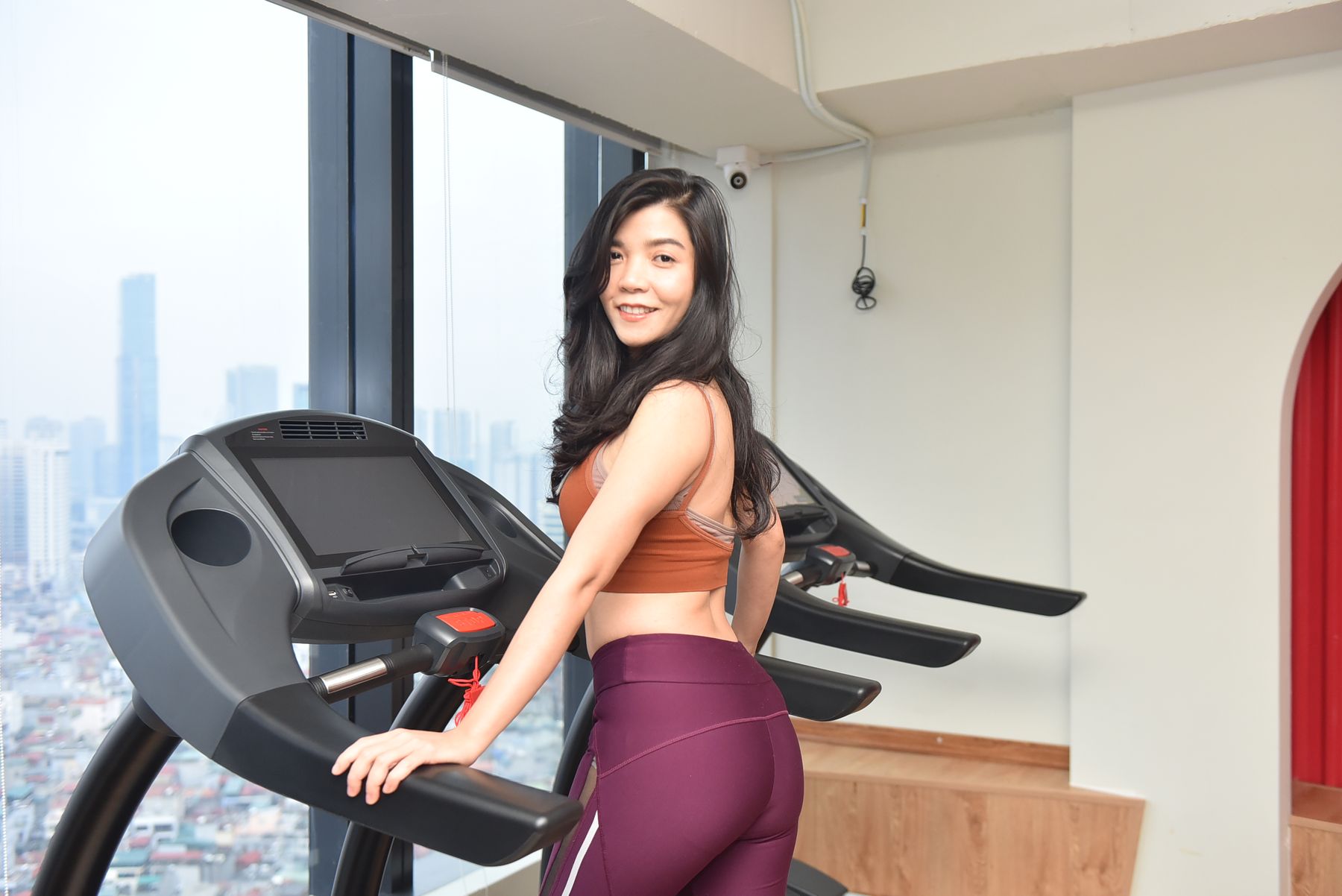
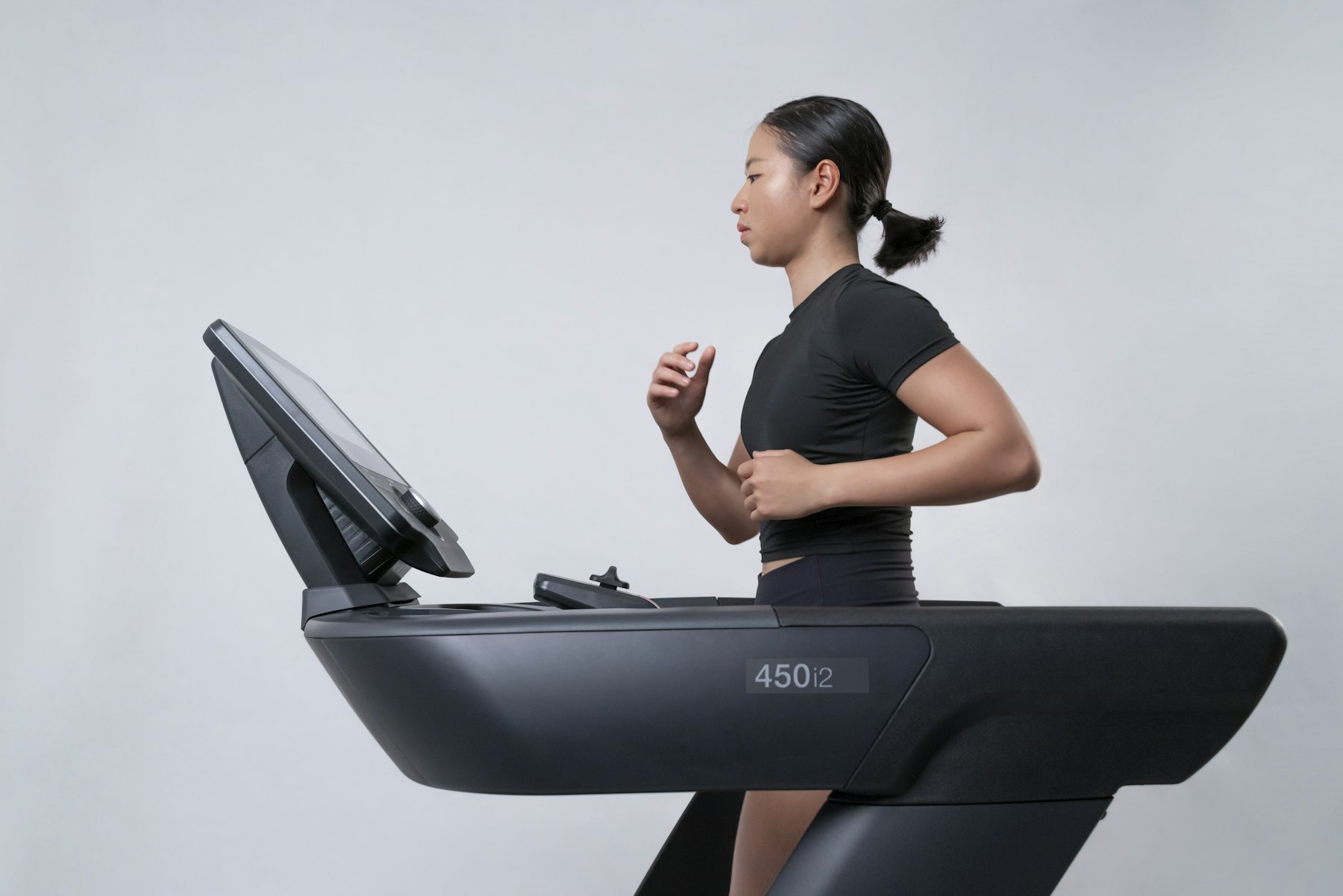
A 22-inch belt, a 3.5 CHP motor, 3% decline and a 14 in pivoting screen. It's the NordicTrack treadmill most people should buy.
NordicTrack Commercial 1250
Best for: walkers and incline hikers who want the classes for less
The same 12% incline, 3% decline and iFIT software on a 10 in screen, with a 20-inch belt that's fine for walking, for about $500 less.
Sole F80
Best for: anyone who won't pay for iFIT
Both NordicTrack screens lose most of their point without a subscription. The F80 does the running for less, with no monthly fee.
We may earn a commission if you buy through these links. How we make money
Side by side
Swipe sideways to see every column
| Spec | NordicTrack Commercial 1750 | NordicTrack Commercial 1250 |
|---|---|---|
| Our rating | 4.2 / 5 | 4.1 / 5 |
| Typical price | $1,999 to $2,499 | $1,499 to $1,799 |
| Motor | 3.5 CHP | 3.0 CHP |
| Belt / stride | 22 x 60 in | 20 x 60 in |
| Top speed | 12 mph | 12 mph |
| Incline | -3% to 12% | -3% to 12% |
| Weight limit | 300 lb | 300 lb |
| Footprint | 80 × 38 × 65 in | 78 × 36 × 62 in |
| Folds | Yes | Yes |
| Console | 14 in pivoting touchscreen | 10 in touchscreen |
| Warranty | 10 yr frame, 2 yr parts, 1 yr labor | 10 yr frame, 2 yr parts, 1 yr labor |
Manufacturer specs unless a review says we measured it.
If you run, buy the NordicTrack Commercial 1750. If you mostly walk and hike on incline, the NordicTrack Commercial 1250 gets you what you came for and saves about $500. Both fold, both climb to 12% and decline to 3%, both run iFIT, both are rated to 300 lb, and both carry the same 10-year frame warranty. The 1750’s extra money buys a 22 x 60 in belt instead of 20 x 60, a 3.5 CHP motor instead of 3.0, and a 14 in pivoting screen instead of a 10 in one. At time of writing the 1750 typically sells for $1,999 to $2,499 and the 1250 for $1,499 to $1,799.
One thing to settle before the details: both machines are built around a subscription. If you won’t pay for iFIT, neither is the right buy, and we’ll explain why below.
Belt width and motor
Two inches of belt and half a horsepower sound small until you’re at 9 mph. A 20-inch belt is fine for walking and for a runner under 6 ft who lands straight. We want 22 inches for anyone taller, anyone over 250 lb, and anyone whose form opens up late in a run. The 1750’s 3.5 CHP motor also has more headroom for daily mileage, which is the same argument we make for the Sole F80 over the F63.
For a walker it flips. At 3 to 4 mph on a 12% grade, belt width doesn’t matter and a 3.0 CHP motor is doing easy work, so the 1250 is simply the cheaper way into NordicTrack’s incline-and-decline deck. We haven’t bench-tested either one yet, so this comparison runs on the published specs; we’ll measure both on the same meter when retail units arrive.
Decline is on both
The 3% decline is the hardware reason to buy a NordicTrack over a Sole or Horizon, which incline to 15% and stop at zero. For trail runners, hikers and anyone whose knees notice downhill walking, it changes how a session feels, and iFIT’s trainer-led routes use it all the time. The 1250 has it. You don’t need the 1750 to get it.
Watch the incline ceiling, though: 12% on both, short of the 15% on a Sole F80 or a Horizon 7.0 AT. If steep hill walking is the goal, our incline treadmills page shows which machines go higher, including the Commercial 2450 at 15% and the X16 incline trainer at 40%.
Screens and the subscription
The 1750 has a 14 in pivoting touchscreen; the 1250 has a 10 in one. Both are built for iFIT, which at time of writing costs about $39.99 a month for a family plan or $180 a year for an individual. Over five years that’s $1,000 to $2,400 on top of the machine, and our NordicTrack brand page walks through the math.
Both machines work without it. Manual mode gives you full speed, incline and decline control and a handful of built-in workouts. You can’t cast to the screen or install apps on it, though, so a 14-inch screen without iFIT is a very large speed readout. If you already know you won’t subscribe, screen size stops mattering, and our treadmills without a subscription page is a better place to shop.
If you will subscribe, 14 inches is a comfortable size at arm’s length, and the pivot only matters if you use the screen off the belt. The 1250’s 10 in screen is fine for following a trainer and small for anything else.
Footprint, fold and weight
The 1750 is 80 x 38 x 65 in open, folds to 42 x 38 x 71 in, and weighs 340 lb, which makes it one of the heaviest folding treadmills we list. Plan on two people for the box and the uprights. The 1250 is 78 x 36 x 62 in open and folds too, but NordicTrack doesn’t publish a folded size or weight we can cite, so we’ll tape it when one arrives.
Both are rated to 300 lb, the lowest in this price range. With our 50 lb rule, that’s a practical running limit of about 250 lb. A Sole F80 is rated to 350 lb and a Bowflex T9 to 400 lb at similar money, so a heavier runner should start there.
Warranty and price
The warranties are identical: 10 years on the frame, 2 years on parts, 1 year on labor. That’s shorter than the lifetime frame and motor cover you get from Sole or Horizon. Registration is required, so keep the order email.
NordicTrack discounts often, so check the retailer. At 1250 money, the Horizon 7.0 AT is the screenless alternative with a 15% incline and no subscription. At 1750 money, the Sole F80 is the running machine without a fee, and our Sole vs NordicTrack page lays out that choice. The ProForm Pro 2000, from the same parent company, pairs a 3.5 CHP motor with the same 3% decline for a typical $1,799 to $2,299.
Which one we’d buy
The 1750, if we were buying a NordicTrack and planned to keep paying for iFIT. The 22-inch belt and 3.5 CHP motor make it the one NordicTrack we’d run on every day, and the 14-inch screen suits the classes that justify the subscription. We’d buy the 1250 for a walker or incline hiker who wants the decline and the trainer-led routes and doesn’t need the wider belt; the $500 saved is about a year of the family plan. If we weren’t going to subscribe, we’d buy neither and put the money into a Sole F80 or a Horizon 7.4 AT. For the other screen-first option, see Peloton vs NordicTrack.
Frequently asked questions
What is the difference between the NordicTrack 1750 and 1250?
Belt width, motor and screen. The 1750 has a 22 x 60 in belt, a 3.5 CHP motor and a 14 in pivoting touchscreen. The 1250 has a 20 x 60 in belt, a 3.0 CHP motor and a 10 in touchscreen. Both incline to 12%, decline to 3%, fold, are rated to 300 lb and carry the same 10-year frame, 2-year parts and 1-year labor warranty.
Does the NordicTrack 1250 have decline?
Yes. Both the 1250 and the 1750 decline to 3% and incline to 12%. That's what sets them apart from a Sole or Horizon at the same price, since those incline to 15% but don't go below zero. If decline is the reason you're shopping NordicTrack, the cheaper 1250 has it too.
Do I need iFIT for the NordicTrack 1750 or 1250?
No. Both run in manual mode with full speed, incline and decline control and a few built-in workouts. But you can't cast to the screen or install apps on it, so without iFIT the screen is a large speed readout. At time of writing iFIT costs about $39.99 a month for a family plan or $180 a year for an individual.
Is the NordicTrack 1250 good for running?
For a runner under 6 ft at moderate mileage, yes. A 60-inch belt, a 12 mph top speed and a 3.0 CHP motor are a running spec. If you're taller or heavier, or you run most days, we'd spend the extra $500 on the 1750's 22-inch belt and 3.5 CHP motor.
What is the weight limit on the NordicTrack 1750 and 1250?
300 lb on both, which is low for this price range. A Sole F80 is rated to 350 lb and a Bowflex T9 to 400 lb at similar money. We like 50 lb of headroom above the heaviest runner, so the practical running limit on either NordicTrack is about 250 lb.
Update history (2)ShowHide
- November 5, 2026Rewritten for clarity, with a quick verdict and key takeaways up top.
- October 18, 2026First published.