Sole vs NordicTrack: it comes down to whether you will pay for iFIT
Buy the Sole F80 unless you know you'll keep paying for iFIT. Sole puts the money into the frame, a lifetime motor warranty and a screen that needs nothing; NordicTrack puts it into decline and a screen built around the subscription.
We may earn a commission from links. It never changes our picks. How we make money
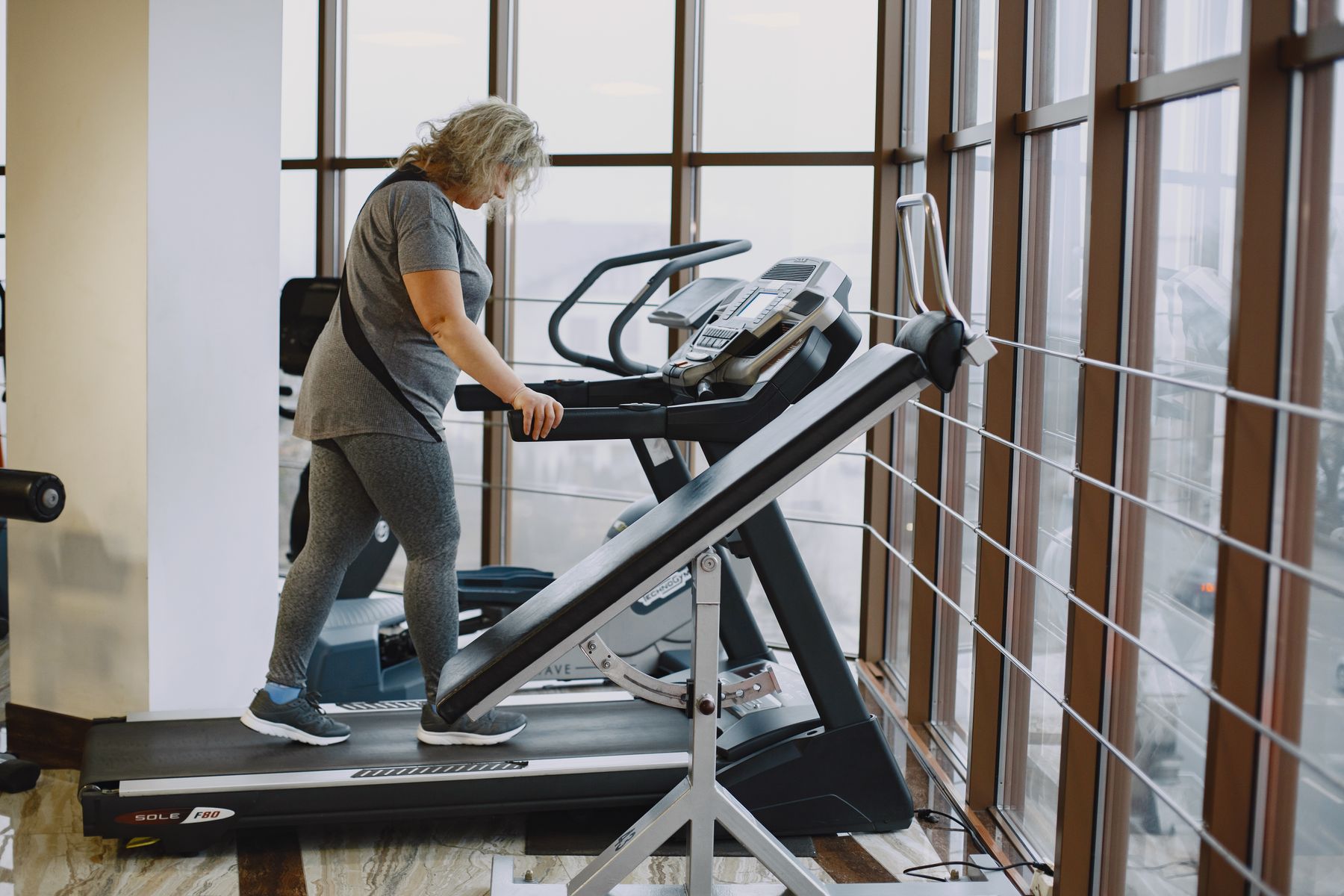
Quick verdict
If you'll keep paying for iFIT, the NordicTrack Commercial 1750's auto-adjusting incline and decline make it the more enjoyable machine. If you won't, the Sole F80 has the same 22-inch belt, a higher weight rating and a lifetime frame and motor warranty for about $600 less, with nothing on the console that stops working.
Sole F80
Best for: anyone who hates subscriptions or already owns a tablet
A 22 x 60 in belt, a 3.5 HP motor, a 350 lb rating, a 15% incline and a lifetime frame and motor warranty. There's no fee, ever.
NordicTrack Commercial 1750
Best for: anyone who'll pay for trainer-led classes and wants decline
3% decline, 12% incline, a 14 in pivoting screen and iFIT routes that move the deck for you. The subscription is what you're really buying.
Sole F80 or F85
Best for: heavier runners, over 250 lb
Sole rates the F80 to 350 lb and the F85 to 375 lb. Every current NordicTrack treadmill is rated to 300 lb.
We may earn a commission if you buy through these links. How we make money
Side by side
Swipe sideways to see every column
| Spec | Sole F80 | NordicTrack Commercial 1750 |
|---|---|---|
| Our rating | 4.5 / 5 | 4.2 / 5 |
| Typical price | $1,599 to $1,899 | $1,999 to $2,499 |
| Motor | 3.5 HP DC | 3.5 CHP |
| Belt / stride | 22 x 60 in | 22 x 60 in |
| Top speed | 12 mph | 12 mph |
| Incline | 15% | -3% to 12% |
| Weight limit | 350 lb | 300 lb |
| Footprint | 82 × 37 × 66 in | 80 × 38 × 65 in |
| Folds | Yes | Yes |
| Console | 10.1 in touchscreen | 14 in pivoting touchscreen |
| Warranty | Lifetime frame and motor, 3 yr deck/electronics/parts, 1 yr labor | 10 yr frame, 2 yr parts, 1 yr labor |
Manufacturer specs unless a review says we measured it.
Buy the Sole F80 unless you’re sure you’ll keep paying for iFIT. If you are, the NordicTrack Commercial 1750 is the more enjoyable machine to own. Both brands build good treadmills; they just spend the money in different places. Sole puts it into the frame, the motor and a lifetime warranty on both, then adds a plain touchscreen that needs nothing from you. NordicTrack puts it into a decline deck and a screen built to run iFIT, which costs about $39.99 a month for a family plan at time of writing and gets less useful the day you stop paying.
We use these two models because they’re the pair most buyers are actually choosing between. At typical prices of $1,599 to $1,899 for the F80 and $1,999 to $2,499 for the 1750, the gap is about $600. We haven’t bench-tested either one yet, so this comparison runs on the published specs; we’ll add measured noise and power after our bench test.
The subscription decides it
Every current NordicTrack treadmill runs in manual mode without iFIT, with full speed, incline and decline control and a few built-in workouts. What you can’t do is cast to the screen or install apps on it. A 14-inch touchscreen on a 1750 without a subscription is a very large speed readout, and you’ve paid for a tablet you can’t use as one.
With iFIT, it flips. Trainer-led routes move the incline and decline for you, the classes are the best reason to own a NordicTrack, and the 1750’s pivoting screen is sized for them. Over five years the subscription adds $1,000 to $2,400, so the real gap between a 1750 and an F80 is nearer $2,000 than the $600 on the price tags.
Sole’s screens need no subscription for anything. The F80’s 10.1 in touchscreen shows speed, incline, time and the built-in programs, and it’ll keep doing that for as long as the machine runs. The screens are slower than a tablet and the app is basic. We wouldn’t buy a Sole for its software; we’d buy it because nothing on it stops working.
Frame, motor and weight rating
The F80 has a 3.5 HP DC motor on a 22 x 60 in belt and is rated to 350 lb. The 1750 has a 3.5 CHP motor on the same size belt and is rated to 300 lb. That 50 lb gap holds across both lineups. Every current NordicTrack treadmill, from the T Series to the X16, is rated to 300 lb, while Sole rates the F63 to 325 lb, the F80 to 350, the F85 to 375 and the TT8 to 400.
We like 50 lb of headroom above the heaviest runner, which puts NordicTrack’s practical running limit around 250 lb and the F80’s around 300. For a heavier runner that settles it, and our heavy-duty treadmills page lists frames rated higher still. Both machines fold. The F80 is 82 x 37 x 66 in open and weighs 278 lb; the 1750 is 80 x 38 x 65 in and weighs 340 lb, which makes it one of the heaviest folding treadmills we list and a two-person job to move.
Incline and decline
Decline is NordicTrack’s hardware edge. The 1750 inclines to 12% and declines to 3%, and the 1250 and 2450 do the same. Sole’s folding F-series inclines to 15% and doesn’t decline. For a trail runner, or anyone whose knees notice downhill walking, 3% of decline changes how a session feels, and iFIT uses it constantly. If decline is the point and you still want a Sole, the only option is the non-folding Sole TT8, with 6% decline at a typical $2,699 to $2,999.
Sole’s answer is the higher incline ceiling, 15% against 12%, which matters for steep hill walking and 12-3-30 style sessions.
Warranty and parts
Sole gives every F-series treadmill a lifetime frame and motor warranty, with 3 to 5 years on deck, electronics and parts and 1 to 2 years of labor depending on the model. The F80 gets 3 years and 1; the F85 gets 5 and 2. NordicTrack gives current treadmills 10 years on the frame, 2 years on parts and 1 year of labor, and registration is required, so keep the order email.
That’s a big gap. The motor is the most expensive part of a treadmill to replace out of warranty, and Sole covers it for life, while NordicTrack covers it for 2 years as a part. Sole also sells parts direct and ships belts, lube and controllers from a US warehouse; NordicTrack parts go through iFIT support and a handful of dealers. For a machine you want to run for ten years, this is the column we weigh most after the frame.
The lineups, briefly
Sole’s F-series is one frame family in four motor sizes. The Sole F63 is the floor at 3.0 HP and a 20-inch belt, the F65 adds a 22-inch belt, the F80 is the sweet spot, the F85 is for heavier runners and daily mileage, and the TT8 is the non-folding machine for a dedicated room. Our Sole F63 vs F80 and Sole F80 vs F85 pages explain where to stop.
NordicTrack’s T Series are the entry folding treadmills, with 20-inch belts and 10 to 12% incline. The Commercial 1250, 1750 and 2450 are the main line, with 22-inch belts from the 1750 up, 3% decline on all three and screens from 10 to 22 inches. The X Series incline trainers reach 40%. Our NordicTrack 1750 vs 1250 page covers the two most people cross-shop.
Price and noise
Both brands discount often, so check the retailer. On noise, both have a 22 x 60 in belt and a 3.5 horsepower motor, and above a walk most of what you hear is your foot strike, so we don’t expect noise to separate them once we’ve measured both on the same meter.
Which one we’d buy
The F80. We like what iFIT does on a 1750; its auto-adjusting routes are the best class experience on a treadmill short of a Peloton, and a buyer who knows they’ll keep paying should get the NordicTrack and enjoy it. But most people who ask us aren’t sure they’ll keep paying. For them the F80 has the same 22-inch belt, a higher rating, a lifetime motor warranty and a console with nothing to cancel, for $600 less up front and $1,000 to $2,400 less over five years. The Sole brand page has the full lineup, and our treadmills without a subscription page lists other machines built the same way.
Frequently asked questions
Is Sole or NordicTrack the better treadmill brand?
For the frame, motor and warranty, Sole: every F-series treadmill gets lifetime frame and motor cover, against NordicTrack's 10-year frame and 2-year parts. For the workout experience, NordicTrack, as long as you keep paying for iFIT. The hardware is good on both. The difference is what happens to the screen the day you stop subscribing.
Can you use a NordicTrack treadmill without iFIT?
Yes. Every current model runs in manual mode with full speed, incline and decline control and a few built-in workouts. You can't cast to the screen or install apps on it, though, so the 14-inch display on the 1750 turns into a very large speed readout. Sole's screens don't need a subscription for anything.
How much does iFIT cost over the life of a treadmill?
At time of writing, about $39.99 a month for a family plan or $180 a year for an individual, which comes to $1,000 to $2,400 over five years. Add that to the Commercial 1750's typical $1,999 to $2,499 and the real gap to a Sole F80 at $1,599 to $1,899 is closer to $2,000 than $600.
Does Sole make a treadmill with decline?
One. The Sole TT8 declines to 6% and inclines to 15%, but it doesn't fold and typically costs $2,699 to $2,999. The folding F-series treadmills incline to 15% with no decline. NordicTrack's Commercial 1250, 1750 and 2450 all decline to 3% and fold, which is a real point in their favor.
Which brand has the higher weight limit?
Sole. The F63 is rated to 325 lb, the F80 to 350 lb, the F85 to 375 lb and the TT8 to 400 lb. Every current NordicTrack treadmill is rated to 300 lb. We like 50 lb of headroom above the heaviest runner, so a NordicTrack suits runners up to about 250 lb.
Who owns Sole and NordicTrack?
Sole is owned by Dyaco International and started in 2000 supplying hotel gyms. NordicTrack is owned by iFIT Health & Fitness, formerly ICON, and began in 1975 as a ski machine company. ProForm is NordicTrack's cheaper sibling under the same parent, with lighter frames and lower sale prices.
Update history (2)ShowHide
- November 5, 2026Rewritten for clarity, with a quick verdict and key takeaways up top.
- October 18, 2026First published.